
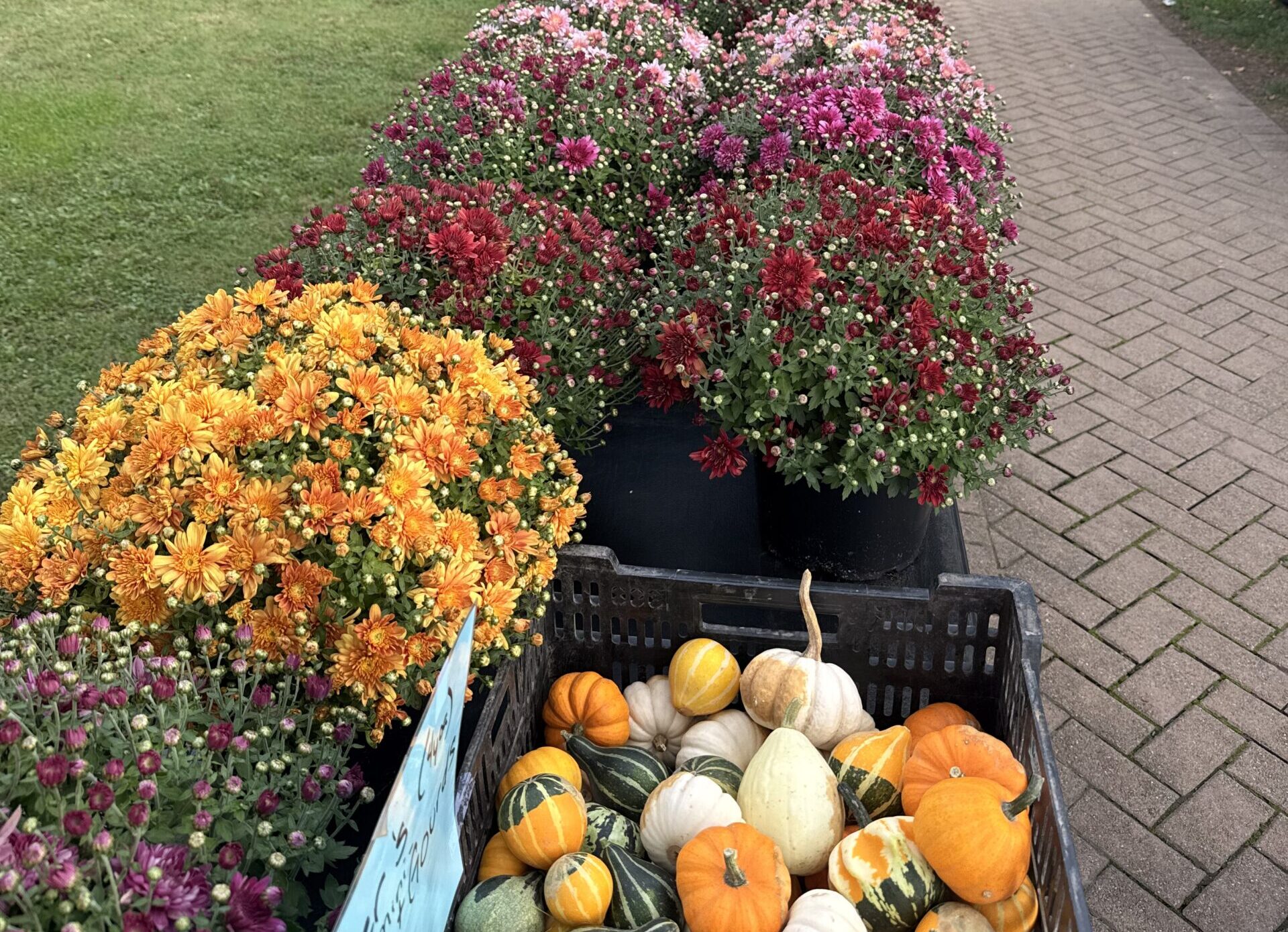
There is something about a farmers market that makes grocery shopping feel a little more intentional. Maybe it’s the fresh produce, the homemade baked goods, the seasonal flowers, or the chance to spend a slow Saturday morning wandering between local vendors. Whatever it is, farmers markets offer something that a typical grocery store run sometimes misses.
But beyond the cute displays and seasonal finds, there are some genuine benefits to shopping at farmers markets. From finding fresher food and learning how your food is produced to supporting local farmers and small businesses, there are plenty of reasons to consider making your local farmers market part of your routine.
Here’s why shopping at farmers markets is worth it.
1. You Can Find Fresher, More Nutrient-Dense Food
One of the biggest reasons to shop at a farmers market is the opportunity to find fresh, seasonal produce that hasn’t necessarily traveled hundreds or thousands of miles to reach you.
Much of the produce sold in traditional grocery stores travels through a long supply chain before it reaches the shelves. Depending on the product, it may be harvested before peak ripeness, transported over long distances, and stored for extended periods. At a farmers market, you may be able to purchase produce that was harvested much more recently.
Freshness matters because certain nutrients can decline during storage, although the degree varies by food and storage conditions. Nutrient content also depends on factors like the variety of the crop, growing conditions, and ripeness at harvest. Locally grown produce isn’t automatically more nutritious, but buying freshly harvested, seasonal food can be one way to prioritize freshness and quality.
Shopping at farmers markets also gives you access to varieties you might not find at a typical grocery store. Different types of apples, heirloom tomatoes, seasonal greens, and other locally grown produce can introduce more variety into your diet.
And when you know your produce was recently harvested and grown nearby, there’s something satisfying about bringing that food home to your own kitchen.
2. You Have More Transparency About How Your Food Is Grown
Have you ever picked up a package of produce or meat at the grocery store and wondered exactly how it was produced?
Food labels can tell you certain things, but they don’t always tell the whole story. Farmers markets offer an opportunity to speak directly with the people growing your produce, raising your meat, or making your food.
You can ask questions about farming practices, pesticide use, soil management, animal feed, and how animals are raised. If a vendor sells eggs, dairy, or meat, you can ask about the animals’ living conditions, access to pasture, diet, and overall care.
This can be particularly helpful if you’re trying to be more intentional about the quality of the food you eat.
For example, if you’re looking for produce grown with fewer pesticides, you can ask the farmer what pest-management methods they use. If you’re buying meat, you can ask how the animals were raised and what their diets consisted of.
You can also research individual farms and vendors before visiting. Many publish information about their growing practices, certifications, and farms on their websites or social media pages.
Of course, shopping locally doesn’t automatically mean food is organic, pesticide-free, or produced under a particular set of animal-welfare standards. The benefit is that you have a more direct opportunity to ask questions, research the source, and decide which practices matter most to you.
3. You Can Be More Intentional About Pesticides and Food Quality
If you’re trying to be more mindful of what goes into the food you eat, farmers markets can be a great place to start.
Conventional farming often uses pesticides to protect crops from insects, weeds, and disease. These products are regulated, but some shoppers prefer to reduce pesticide use where practical or choose foods produced using specific growing methods.
At a farmers market, you may be able to find growers who use organic practices, minimize synthetic pesticide use, or take alternative approaches to pest management. Some smaller farms may follow organic-style practices without holding formal organic certification.
The important thing is to ask rather than assume.
Questions like these can help you learn more about what you’re buying:
- Do you use synthetic pesticides on your crops?
- What methods do you use to manage insects and weeds?
- Are your growing practices certified organic, or do you follow similar practices without certification?
- How do you maintain soil health and manage pests?
You may find that some vendors prioritize practices that align with your preferences, while others use conventional methods.
It’s also worth remembering that pesticide residues vary by crop and farming practice, and locally grown produce is not automatically pesticide-free. Washing produce under running water is still a good practice, regardless of where you purchase it.
The goal isn’t to become afraid of your food. It’s to understand your options and make informed decisions about the food you bring into your home.
4. You Can Learn More About the Quality of Meat, Eggs, and Dairy
Farmers markets aren’t just about fruits and vegetables. Depending on the market, you may also find locally raised meat, eggs, dairy products, and other animal-based foods.
If the way animals are raised matters to you, buying directly from a farmer can provide an opportunity to learn more about their practices.
You can ask whether animals have access to pasture, what they are fed, how much time they spend outdoors, and what standards the farm follows for animal care. You can also ask about certifications and whether the farm shares information about its production practices.
Terms like grass-fed, pasture-raised, and free-range can describe different production methods, so it’s helpful to ask what those labels actually mean for a particular farm.
Animal welfare, feed, and living conditions are important considerations when evaluating a farm, but they don’t automatically guarantee that a product is nutritionally superior or safer than every alternative. The details matter, and talking directly with the producer can help you understand those details.
For anyone who wants to be more connected to the source of their food, that transparency can be a major benefit.
5. You’re Supporting Local Farmers and Small Businesses
Another great reason to shop at farmers markets is that you’re supporting the people who grow, make, and sell what you’re buying.
Many markets feature family farms, small-scale growers, bakers, beekeepers, and other local businesses. Purchasing directly from these vendors helps create opportunities for them to sell their products and connect with their communities.
It also gives you the chance to discover small businesses you might never have found otherwise.
You may meet the person who grew your apples, learn about a family farm that raises your eggs, or find a local bakery that becomes your new favorite. Over time, you can build relationships with vendors and become familiar with the people behind the products you regularly purchase.
Supporting local businesses doesn’t mean every item has to come from a farmers market. Even choosing a few locally produced items each month can be a way to support businesses in your area.
And knowing a little more about the people behind your food can make the experience of shopping feel more meaningful.
6. You Can Discover What’s in Season
It’s easy to fall into a routine of buying the same fruits and vegetables all year long. Farmers markets offer a chance to reconnect with what’s actually growing during each season.
In the spring, you might find asparagus, leafy greens, radishes, and fresh herbs. Summer brings berries, tomatoes, peaches, and sweet corn. In the fall, you can look forward to apples, pumpkins, winter squash, and root vegetables.
What’s available will depend on your location, climate, and the individual farms supplying the market, but the changing selection is part of what makes shopping there fun.
Seasonal shopping can also encourage you to try foods you might otherwise overlook. You may discover a new apple variety, experiment with a vegetable you’ve never cooked before, or find a seasonal ingredient that inspires your next meal.
You don’t have to completely change your diet to eat seasonally. Simply paying attention to what’s available and incorporating a few seasonal ingredients into your regular meals is a good place to start.
7. You May Find Unique Products You Can’t Get at the Grocery Store
Farmers markets often offer much more than fresh produce.
Depending on the vendors in your area, you may find locally produced honey, homemade jams, fresh bread, specialty cheeses, seasonal baked goods, flowers, and other small-batch products.
These can be fun alternatives to the products you usually buy at the grocery store, especially when you’re looking for something seasonal or locally made.
You might discover a new favorite sourdough loaf, a jar of honey produced nearby, or a small business you want to visit again.
Some markets also feature coffee stands, breakfast pastries, handmade goods, and local artisans, making them a fun place to browse even when you don’t have a specific grocery list.
Prices and product selections will vary, and locally produced products aren’t always cheaper than their grocery store counterparts. But for some shoppers, the variety, quality, and opportunity to support the people making those products are worth the difference.
8. Farmers Markets Can Make Grocery Shopping More Enjoyable
Let’s be honest: grocery shopping can sometimes feel like another chore on an already long to-do list.
Farmers markets offer a different kind of experience. You can walk around outside, browse different stalls, talk with vendors, and discover things you didn’t know you were looking for.
Depending on the market, you might also find live music, coffee, breakfast pastries, flowers, or other local vendors.
It can become a simple weekend outing rather than an errand you need to squeeze into your schedule.
Bring a reusable tote, grab a coffee, and take your time looking around. You don’t have to arrive with a strict shopping list or spend a certain amount of money to enjoy the experience.
Sometimes the best part is simply slowing down, exploring what’s available, and coming home with a few things you wouldn’t normally have picked up at the grocery store.
Tips for Getting the Most Out of Your Local Farmers Market
If you’re new to farmers markets, you don’t need to overthink your first visit. A few simple tips can help you make the most of the experience.
Check the schedule before you go. Some markets operate year-round, while others are seasonal or open only on certain days.
Bring a reusable bag. It’s helpful for carrying produce, baked goods, and any unexpected finds.
Bring a payment method that works. Many vendors accept cards, but some may prefer cash. Check your market’s payment options ahead of time.
Walk around before buying. Browse the stalls first so you can see what’s available and compare prices.
Ask questions. Vendors can often tell you what’s in season, how to store something, or how their food is produced.
Research farms that interest you. If pesticide use, animal welfare, or specific farming practices are important to you, look up vendors ahead of time and ask for more details.
Shop with a loose plan. Have a general idea of what you need, but leave a little room for seasonal discoveries.
Don’t feel pressured to buy everything. You can enjoy browsing without spending money at every stall.
Most importantly, remember that you don’t have to know exactly what you’re doing to enjoy shopping at a farmers market. Start small, ask questions, and figure out which vendors and products you enjoy most.
Bringing More Intention to the Food You Buy
Shopping at a farmers market can be about so much more than bringing home a bag of fresh produce. It’s an opportunity to learn where your food comes from, understand how it’s grown or raised, discover seasonal ingredients, and support the people producing food in your community.
It can also help you become more intentional about the quality of the products you buy. Whether you’re interested in fresher produce, farming practices that use fewer pesticides, animal welfare, or simply trying more locally made foods, talking directly with vendors can help you make choices that align with your priorities.
You don’t have to replace your regular grocery store or shop at a farmers market every weekend to enjoy these benefits. Start by visiting a local market, talking to a few vendors, and picking up something you would normally buy elsewhere.
Over time, you may find farms you trust, seasonal foods you look forward to, and local businesses you love supporting.
And who knows? You might leave with fresh apples, a loaf of bread, and a bouquet of flowers you never planned on buying.
Honestly, that sounds like a pretty lovely way to spend a Saturday morning.
Have a favorite farmers market or local farm? I’d love to hear what makes it special!
